Dry eye can feel like burning, grittiness, tired eyes, excess tearing, or vision that clears after blinking. Symptoms may appear only in a dry room or after prolonged screen use, or they may recur often enough to interfere with reading, driving, work, or contact lens wear.
The term “dry eye” covers more than low tear production. Tears must also spread evenly and remain on the eye long enough to protect its surface. Environment, blinking habits, eyelid problems, contact lenses, medications, age-related changes, and certain health conditions can all disrupt that process.
What Dry Eye Can Feel Like
Dry eye symptoms are not the same for everyone. They may affect one or both eyes and can change throughout the day.
- Burning, stinging, or a scratchy sensation
- A feeling that sand or another object is in the eye
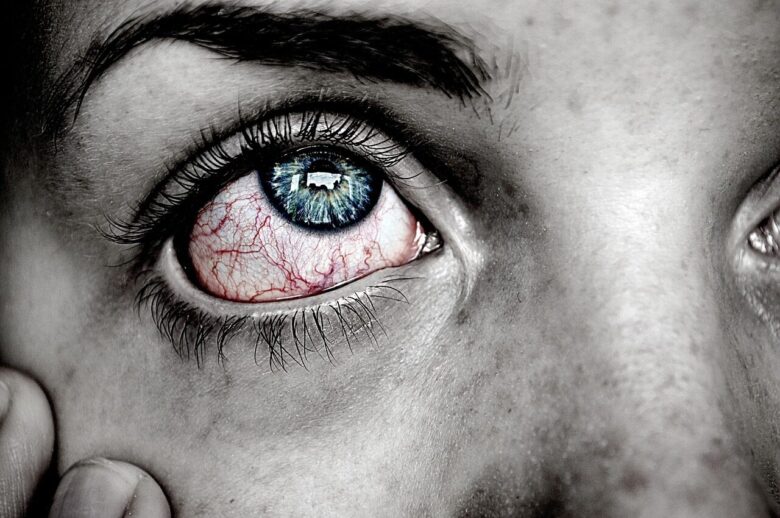
- Redness or irritation
- Watery eyes
- Sensitivity to light
- Discomfort while wearing contact lenses
- Blurred or fluctuating vision, especially if blinking briefly improves it
- Eye fatigue during reading, driving, or screen use
Watery eyes do not rule out dryness. An irritated eye may produce a burst of reflex tears, but those tears may not remain on the surface long enough to correct the underlying tear-film problem.
When Symptoms Need an Eye Exam
| What is happening | Reasonable next step |
|---|---|
| Mild, occasional irritation linked to wind, dry air, or screen use | Try low-risk environmental changes and appropriate lubricating drops, if needed. |
| Symptoms keep returning or require frequent eye-drop use | Schedule an eye exam to look for the cause and confirm which products are appropriate. |
| Dryness interferes with driving, reading, work, sleep, or contact lens wear | Arrange a professional evaluation rather than continuing to adjust care on your own. |
| Pain, sudden vision changes, injury, thick discharge, significant swelling, marked redness, or painful light sensitivity | Seek urgent medical care. These symptoms may indicate something other than routine dryness. |
Why the Tear Film Becomes Unstable
The tear film includes components that provide moisture, help tears spread across the eye, and slow evaporation. Dry eye can develop when the eyes make too few tears, when tears evaporate too quickly, or when both problems occur together.
Environment and airflow
Wind, smoke, dust, low humidity, indoor heating, air conditioning, and fans can increase evaporation or irritate the eye surface. A useful clue is whether symptoms improve after leaving a particular room or moving away from direct airflow.
Incomplete or infrequent blinking
People often blink less fully while concentrating on a computer, phone, book, or detailed task. Because blinking spreads tears across the eye, prolonged focus can leave parts of the surface poorly lubricated. A high screen position may also expose more of the eye and contribute to evaporation.
Eyelid and oil-gland problems
Oil released from glands along the eyelids helps keep tears from evaporating too quickly. Eyelid inflammation or poorly functioning glands can disturb this protective layer. Crusting around the lashes, irritated lid margins, or symptoms that are worse upon waking are details worth sharing with an eye care professional.
Contact lenses
Contact lenses can make dryness more noticeable, particularly when lenses are worn longer than directed, cleaning instructions are not followed, or the lens material and wearing schedule are not a good match for the wearer. Persistent discomfort is a reason to stop wearing the lenses temporarily and ask about lens fit, care, and replacement options.
Medications and health factors
Some allergy, cold, blood pressure, depression, and other medicines may contribute to dryness. Age-related or hormonal changes, prior eye surgery, allergies, thyroid problems, diabetes, autoimmune conditions, and other health issues may also be relevant.
Do not stop a prescribed medicine because of eye symptoms without speaking with the prescriber or a pharmacist. Instead, ask whether dryness is a possible side effect and whether the medication should be reviewed.
How to Identify Your Most Likely Triggers
Dry-eye-like symptoms have overlapping causes, so a short symptom record can be more useful than guessing. For several days, note:
- When symptoms start and whether one or both eyes are affected
- How long you had been using a screen, reading, driving, or wearing contacts
- Whether a fan, vent, heater, smoke, wind, or low-humidity room was involved
- Whether blinking or removing contact lenses improved the discomfort
- Which drops you used and how your eyes responded
- Any itching, discharge, lid crusting, pain, light sensitivity, or vision changes
- Any recently started medicine or change in your health
This record cannot diagnose the cause, but it can help an eye care professional distinguish occasional environmental irritation from a problem that needs more specific care.
Low-Risk Ways to Reduce Dry Eye Flare-Ups
The goal is to reduce evaporation and irritation while allowing the eyelids to spread tears more effectively.
- Redirect airflow: avoid sitting where fans, car vents, heaters, or air conditioners blow directly toward your eyes.
- Blink deliberately: during focused tasks, pause periodically and close your eyes fully rather than making quick, incomplete blinks.
- Adjust the screen: place it slightly below eye level when practical so your eyes do not remain as widely open.
- Take visual breaks: look away from close work before burning or grittiness becomes pronounced.
- Use outdoor protection: glasses or sunglasses can provide a barrier when wind and dust are triggers.
- Manage indoor dryness carefully: a properly maintained humidifier may be helpful in a dry room. Follow its cleaning instructions.
- Avoid rubbing: rubbing can add irritation and does not correct an unstable tear film.
- Follow contact lens limits: use the prescribed replacement schedule and do not continue wearing lenses through significant discomfort.
Normal hydration supports general health, but drinking extra water should not be treated as a stand-alone cure for persistent dry eye.
Choosing and Using Eye Drops Carefully
Over-the-counter eye products serve different purposes. A product that reduces visible redness is not necessarily a lubricant, and a general artificial tear may not be approved for use while contact lenses are in the eyes.
| Product type | What to consider |
|---|---|
| Lubricating drops or artificial tears | Commonly used for mild dryness. Formulas differ, so continued symptoms may require help choosing an appropriate type. |
| Preservative-free lubricating drops | May be considered when drops are needed often or preservatives appear irritating. Follow the package directions for single-use or multidose containers. |
| Gels or ointments | May remain on the eye longer but can temporarily blur vision. Ask a professional when and how to use them, especially if you drive at night. |
| Contact lens rewetting drops | Use only products specifically labeled as compatible with your type of contact lens. |
| Redness-relief drops | These may temporarily change the eye’s appearance but do not necessarily address dryness. They should not become a repeated substitute for evaluation. |
Eye-drop safety checklist
- Wash and dry your hands before handling the container.
- Confirm that the seal is intact and check the expiration date.
- Do not use a product that looks discolored, cloudy when it should be clear, damaged, or contaminated.
- Keep the bottle tip away from the eye, eyelids, fingers, and other surfaces.
- Do not share eye drops.
- Follow label instructions about removing and reinserting contact lenses.
- Do not put homemade solutions or products not intended for the eyes into your eyes.
- Stop using the product and seek guidance if pain, swelling, discharge, redness, or vision problems develop or worsen.
If you rely on drops every day, need them increasingly often, or cannot tell which product is appropriate, schedule an eye exam instead of continuing trial and error.
What About Warm Compresses and Eyelid Care?
A warm compress or clinician-recommended eyelid routine may help some people when eyelid oil glands contribute to rapid tear evaporation. Use only gentle, comfortably warm—not hot—materials, and avoid pressing on the eye.
Warm compresses are not a substitute for an exam when there is significant pain, swelling, discharge, injury, or a pronounced change in vision. If an eyelid routine increases irritation, stop and ask an eye care professional what is appropriate.
What an Eye Care Professional May Evaluate
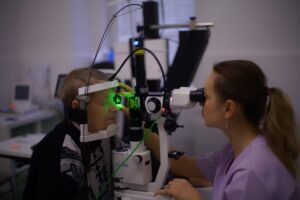
Persistent dryness does not always have a single cause. An eye care professional may examine the eye surface and eyelids, review tear quantity and quality, assess inflammation, and consider contact lens use, allergies, medicines, prior surgery, and relevant health conditions.
Depending on the findings, care may include a particular type of lubricating drop, gel or ointment, prescription medication, eyelid treatment, warm compresses, or management of an underlying gland or health problem. A plan for low tear production may differ from one focused on excessive evaporation.
Information to bring to the appointment
- A list or photos of every eye drop and contact lens solution you use
- Your contact lens brand, replacement schedule, and typical daily wearing time
- A current medication and supplement list
- Details about when symptoms began and what makes them better or worse
- Any history of eye surgery, allergies, eyelid problems, or related health conditions
Useful questions to ask
- Do my symptoms appear more related to low tear production, rapid evaporation, or another condition?
- Are my eyelids or oil glands contributing to the problem?
- Which type of lubricating product is appropriate, and how often should I use it?
- Is this drop safe to use with my contact lenses?
- Should I change my lens material, wearing time, or replacement schedule?
- What symptoms should prompt an earlier follow-up or urgent care?
Frequently Asked Questions
Can dry eye cause blurry vision?
It can cause vision that fluctuates because the tear film helps create a smooth optical surface. If blinking briefly clears the blur, tear-film instability may be involved. Sudden, severe, or persistent blurred vision needs professional evaluation because many other conditions can affect sight.
Why are my eyes watering if they are dry?
Surface irritation can trigger reflex tearing. These watery tears may spill over the eyelids without providing the balanced, lasting lubrication the eye needs. Ongoing watering can also have other causes, so it should be evaluated if it persists.
Can allergies and dry eye occur together?
Yes. Allergies may cause itching, redness, watering, and irritation, while some allergy medicines may contribute to dryness. Because the symptoms overlap, repeated itching or seasonal patterns are important details to discuss with a clinician. Avoid rubbing itchy eyes, which can worsen irritation.
Is dry eye always a permanent condition?
No. Symptoms linked to temporary airflow, screen habits, contact lens wear, or another correctable trigger may improve when that factor changes. Other forms are chronic and require an ongoing care plan. An exam can help clarify what is contributing to recurring symptoms.
General information only: this article is educational and does not provide a diagnosis or individualized treatment. Seek professional care for persistent symptoms and urgent care for pain, sudden vision changes, injury, significant redness, swelling, discharge, or painful light sensitivity.
Sources and Further Reading
- National Eye Institute: Dry Eye
- National Eye Institute: Causes of Dry Eye
- U.S. Food and Drug Administration: What You Should Know About Eye Drops

Eyestine Vision Editorial Team publishes consumer-focused guides about eye care, eyewear, eye-exam planning, and vision insurance. Articles are educational and are not a substitute for diagnosis or treatment by a licensed eye-care professional. Unless an article explicitly names a qualified medical reviewer, readers should not assume that it received independent clinical review.