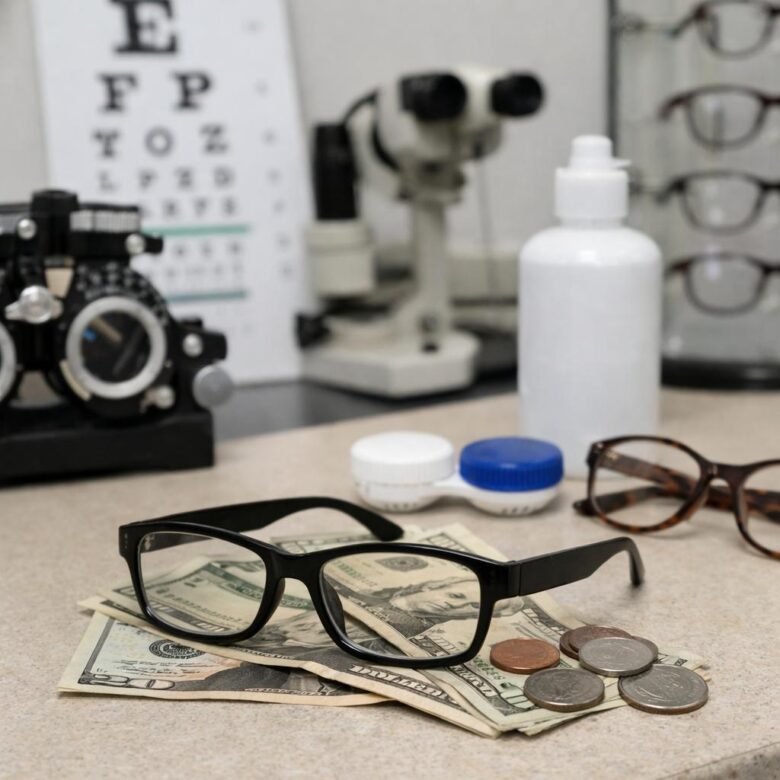
Saving on eye care is less about chasing the lowest advertised price and more about controlling the final bill. Before booking an exam or choosing frames, find out what the service includes, what your benefits will actually pay, and which eyewear features solve a real need.
A low-cost option can be appropriate, especially for a routine exam or a basic backup pair. However, prescription accuracy, frame fit, lens measurements, return policies, and access to follow-up help also have value. The goal is affordable care that still supports clear, comfortable, and safe vision.
A Simple Plan Before You Spend
- Identify the type of appointment: routine vision exam, contact lens evaluation, or care for a symptom or medical condition.
- Check coverage before booking: confirm the provider’s network status and ask whether exam and eyewear benefits follow different rules.
- Request an itemized estimate: include the exam, refraction, optional or recommended testing, contact lens services, frames, lenses, and upgrades.
- Compare final out-of-pocket totals: an advertised discount is not useful if required add-ons make the final price higher.
- Review after-purchase support: check adjustment, return, remake, and warranty terms before ordering glasses.
Book the Right Kind of Eye Appointment
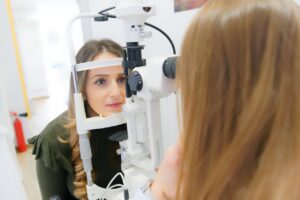
When you call an office, explain why you need the visit. A routine appointment for an updated glasses prescription may be priced and billed differently from an evaluation of eye pain, an injury, sudden vision changes, or a condition such as diabetes. Contact lens wear also typically requires services beyond a glasses prescription.
Ask the office to clarify the following charges:
- The base examination fee
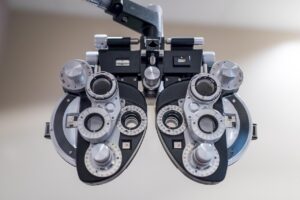
- Refraction, which determines a glasses prescription
- Contact lens evaluation or fitting
- Dilation, retinal imaging, or other testing
- Follow-up visits related to a contact lens fitting
- Any amount due after insurance is applied
Some testing may be clinically recommended based on your symptoms, health history, age, or examination findings. Rather than declining it solely because of cost, ask why it is being recommended, whether it is included in the quoted fee, and whether coverage or lower-cost alternatives are available.
A Phone Script for Comparing Exam Quotes
You can ask each office the same questions:
- “What is the self-pay price for the type of exam I need?”
- “Does that amount include the refraction and a glasses prescription?”
- “Are dilation or retinal images included, optional, or charged separately?”
- “Is there a separate contact lens fitting fee, and are follow-up visits included?”
- “Are you in network for my specific plan, and can you estimate my out-of-pocket cost?”
- “Will I receive a copy of my prescription after the exam?”
Write down the answers instead of relying on the first number quoted. Two offices may advertise similar exam fees while including different services.
Compare Quotes on Equal Terms
For glasses, a “starting at” price may cover only selected frames and basic lenses. Prescription strength, multifocal designs, coatings, measurements, taxes, or shipping can change the total. Ask for a written breakdown before deciding.
| Item to Compare | Questions to Ask | Why It Matters |
|---|---|---|
| Exam | Are refraction and prescription release included? | A low base fee may not represent the complete visit. |
| Frames | Is the frame fully covered by the listed price or allowance? | Brand and material choices can change the total quickly. |
| Lenses | Which lens design and material are included? | Basic single-vision lenses and multifocal lenses are not equivalent. |
| Upgrades | Which features are optional, and what problem does each solve? | Separating needs from preferences helps control spending. |
| Aftercare | Are adjustments, remakes, or returns available? | A cheaper pair may cost more if fit or prescription problems cannot be corrected. |
| Final amount | What will I pay after benefits, fees, tax, and shipping? | The final out-of-pocket total is the most useful comparison. |
Spend on the Eyewear Features You Will Use
Begin with prescription requirements and frame fit, not a brand name. A frame should sit securely, position the lenses correctly, and feel comfortable without creating obvious pressure points. A poorly fitting bargain frame may require repeated adjustments or go unworn.
For every suggested lens upgrade, ask two questions: “What does this feature do?” and “Is there a less expensive option appropriate for my prescription?” The answer will depend on how you use your glasses.
Features to Evaluate Individually
- Anti-reflective coating: may reduce distracting reflections and can be useful for some driving, work, or lighting environments. Compare coating quality and warranty terms.
- Thinner or lighter lens materials: may improve appearance or comfort with some stronger prescriptions. Ask whether the difference is likely to be meaningful for your specific prescription and frame.
- Scratch-resistant treatment: may be practical for daily wear, but it does not make lenses scratch-proof. Proper cleaning and storage still matter.
- Progressive or other multifocal lenses: require careful measurements and appropriate frame selection. Remake and adaptation policies deserve extra attention.
- Occupational or safety lenses: should meet the requirements of the activity or workplace. Ordinary low-cost glasses should not be treated as a substitute for required protective eyewear.
If your budget is tight, ask for a quote using the least expensive suitable frame and lens package first. You can then consider upgrades one at a time instead of starting with a premium package and trying to reduce it.
When Online or Discount Glasses May Make Sense
Online eyewear can be a reasonable way to shop for a basic pair when you have a current prescription, can provide the required measurements, and understand the seller’s policies. It may also be useful for a backup pair that does not need premium styling or every available feature.
Use additional caution if the order involves progressive lenses, a complex or strong prescription, children’s eyewear, occupational requirements, or a frame that needs precise in-person fitting. These situations can place more importance on measurements, professional adjustment, and local follow-up support.
Before ordering, verify:
- Whether the displayed price includes your prescription and lens type
- Which measurements you must provide and how they will be obtained
- The return window and any exclusions for prescription lenses
- Whether the seller offers remakes for prescription or measurement problems
- Shipping charges and expected delivery terms
- Where you can obtain frame adjustments after delivery
Do not continue wearing new glasses that cause persistent blurred or distorted vision, significant headaches, dizziness, or difficulty judging distance. Stop using them for safety-sensitive tasks such as driving and contact the seller or an eye care professional for help checking the prescription, lens placement, and frame fit.
Use Insurance Based on the Final Bill
Vision benefits may include an exam copay, a frame allowance, basic lens coverage, or a contact lens allowance. Frequency limits, provider networks, and charges for upgrades can substantially affect what you owe.
Before using a benefit, confirm:
- Whether the exam provider and optical seller are both in network
- When you last used the benefit and when it becomes available again
- Whether glasses and contact lens allowances can be used in the same benefit period
- Which lens designs and materials are considered standard
- How out-of-network reimbursement works, if available
- The final price after all benefits and discounts are applied
Do not compare an insurance allowance with a store discount in isolation. Ask for the amount you would actually pay under each option. In some situations, an in-network purchase may be the better value; in others, a self-pay package may have a lower final cost.
Look for Assistance Through Reliable Channels
If the cost of an exam or glasses is a barrier, check community health centers, nonprofit programs, school-based resources, local public health services, and teaching or university clinics where available. Eligibility and available services vary by location, age, income, and health needs.
The National Eye Institute’s guide to free or low-cost eye care is a useful starting point. Contact any program directly to confirm current eligibility, services, required documents, and possible fees before sharing personal information.
Medicare and other health coverage should not be assumed to include routine exams or everyday eyewear. Coverage can depend on the medical reason for care and other specific conditions. Verify current rules through official coverage sources and your plan.
Avoid Savings That Create a Larger Expense Later
Some choices reduce the initial price but increase the chance of replacement costs or unusable eyewear. Watch for these situations:
- Buying frames before pricing the required lenses: the finished pair may exceed your budget once the prescription is added.
- Ordering with an expired or incomplete prescription: the seller may reject the order, or the lenses may not meet your current needs.
- Skipping the return and remake terms: a pair that cannot be adjusted or remade offers little value if you cannot wear it.
- Choosing a frame that is unsuitable for the lens design: ask the optician or seller to confirm compatibility before purchase.
- Waiting until your only pair breaks: if you depend on glasses for driving, work, or school, an affordable backup pair may prevent an urgent full-price purchase.
- Replacing medical care with a retail vision check: a prescription service is not a substitute for evaluating pain, injury, sudden changes, or possible eye disease.
Know When Price Shopping Should Wait
Cost comparisons are appropriate for routine care, but some symptoms require prompt professional attention. Seek urgent medical guidance for sudden vision loss, new flashes or floaters, double vision, eye injury, significant eye pain, or redness accompanied by severe discomfort or vision changes. Do not wait for a discount exam or rely on new glasses to address these symptoms.
People with diabetes, known eye disease, previous eye injuries, or other conditions affecting the eyes should follow the examination schedule recommended by their health care or eye care professional. General money-saving advice should not replace medically necessary monitoring.
Questions About Affordable Eye Care
Can I buy glasses somewhere other than the office that performed my exam?
Generally, a current prescription allows you to compare glasses from other optical shops or online sellers. The Federal Trade Commission provides information about federal eyeglass prescription-release requirements. Ask for your prescription after the exam and confirm what additional measurements the eyewear seller needs. State requirements and individual seller policies may also apply.
Are inexpensive glasses unsafe?
A lower price does not automatically make glasses unsafe or inaccurate. What matters is whether the lenses match the prescription, required measurements are correct, the frame fits, and any activity-specific safety requirements are met. Poorly made or incorrectly fitted glasses can cause blurred vision, discomfort, headaches, or problems with safety-sensitive activities.
Why does a contact lens appointment usually involve additional charges?
A contact lens evaluation may include measurements, assessment of how the lenses fit on the eyes, instructions, and follow-up care. These services are separate from determining a glasses prescription. Ask whether the fitting fee, trial lenses, and follow-up visits are included in the quoted amount.
What should I do if new glasses do not feel right?
Contact the seller within the return or remake period. The problem may involve frame adjustment, lens measurements, the prescription, or adaptation to a different lens design. Avoid driving or performing hazardous tasks if your vision is blurred or distorted. Persistent or concerning symptoms warrant advice from an eye care professional.
Bottom Line
The most dependable savings come from comparing equivalent services, asking for itemized prices, and evaluating the finished cost rather than the advertised discount. Use benefits deliberately, request your prescription, select upgrades based on a specific need, and consider the value of adjustments and remake support.
For routine purchases, careful comparison can reduce unnecessary spending. For symptoms, complex prescriptions, medical conditions, children’s vision needs, or safety eyewear, accuracy and professional guidance should take priority over the lowest price.
Editorial note: This article provides general educational information and does not replace an eye examination, medical advice, or confirmation of benefits from an insurer or government program. Coverage, eligibility, prescription rules, and available assistance vary by plan and location.
Official References
- National Eye Institute — Get Free or Low-Cost Eye Care
- Federal Trade Commission — Complying with the Eyeglass Rule
- HealthCare.gov — Vision Coverage
- Medicare.gov — Routine Eye Exams
- Medicare.gov — Eyeglasses and Contact Lenses

Eyestine Vision Editorial Team publishes consumer-focused guides about eye care, eyewear, eye-exam planning, and vision insurance. Articles are educational and are not a substitute for diagnosis or treatment by a licensed eye-care professional. Unless an article explicitly names a qualified medical reviewer, readers should not assume that it received independent clinical review.