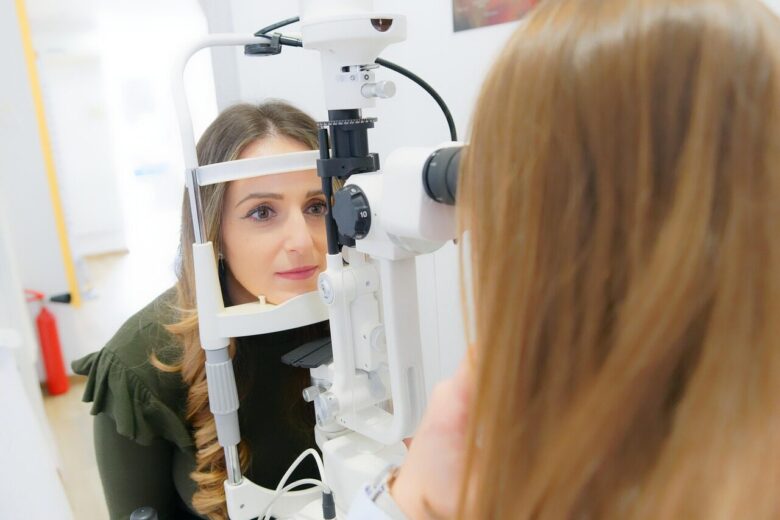
Choose glasses that fit your routine: lightweight frames for long workdays, durable materials for active use, and lens coatings to reduce glare, scratches, and eye strain.
Month: March 2026
Use vision insurance by confirming your exam copay, frame or contact lens allowance, lens add-ons, and in-network providers before booking to reduce out-of-pocket costs.
Dry eyes may stem from aging, screens, medications, or dry air. Relief starts with breaks, hydration, humidifiers, and clinician-guided drops when symptoms persist.
Affordable eye care starts with comparing exam prices, using vision benefits, asking about discounts, and choosing quality budget frames or online lenses to lower costs.
Daily eye health checklist: rest your eyes every 20 minutes, wear UV-blocking sunglasses, stay hydrated, eat leafy greens, and schedule regular vision exams.
Protect your eyes from digital strain with the 20-20-20 rule, reduced glare, balanced brightness, and screens kept at arm’s length.
Medical insurance covers eye disease, injuries, and diagnostics; vision insurance helps pay for routine exams, glasses, contacts, and lens upgrades.
Eyeglass lens types vary by vision needs: single vision corrects one distance, bifocals split near and far zones, and progressives provide seamless focus across ranges.