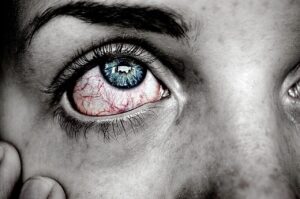
Blurred road signs, tired eyes after reading, new glare at night, and difficulty focusing up close are common reasons to consider an eye exam. Many of these symptoms come from a correctable prescription change or eye-surface irritation, but symptoms alone cannot confirm the cause.
The most useful clues are how quickly the change started, whether it affects one or both eyes, whether it is painful, and whether any other symptoms occur with it. Those details help determine whether you can schedule a routine exam or need urgent care.
How Quickly Should You Get Eye Care?
Seek immediate medical care
Do not wait for a routine appointment if you experience:
- Sudden loss of vision or a major new blind spot in one or both eyes.
- A dark curtain, shadow, or missing section of your visual field.
- A chemical splash, penetrating injury, or serious blow to the eye.
- Severe eye pain, especially with redness, nausea, vomiting, halos, or reduced vision.
- Sudden double vision or vision loss with weakness, facial drooping, confusion, difficulty speaking, dizziness, or an unusually severe headache.
Call 911 for possible stroke symptoms. If your vision is unsafe or unpredictable, do not drive yourself.
Arrange urgent or same-day eye care
Contact an eye care professional promptly for:
- New flashes of light or a sudden increase in floaters.
- Sudden blurry or distorted vision, particularly in one eye.
- A painful red eye or strong sensitivity to light.
- Redness, pain, or reduced vision while wearing contact lenses.
- Eye discharge accompanied by swelling, pain, or a vision change.
- New double vision, even if no other symptoms are present.
If an eye clinic cannot evaluate an urgent symptom quickly, ask where you should go for immediate assessment.
Schedule a routine exam soon
A non-emergency appointment is generally appropriate for gradual changes such as:
- Increasing difficulty reading signs, screens, or small print.
- Frequent squinting or needing more light to read.
- Repeated headaches or tired eyes after visual tasks.
- Ongoing dryness, watering, itching, or mild irritation.
- Glare or halos that make nighttime driving uncomfortable.
- Glasses that no longer provide clear or comfortable vision.
Four Details to Notice Before You Call
You do not need to identify the condition yourself. Instead, collect details that will help the clinic choose the appropriate type and timing of appointment.
- Onset: Did the problem begin suddenly, or has it developed over days, weeks, or months?
- Location: Does it affect the right eye, left eye, or both? You can briefly cover one eye at a time to describe the symptom, but do not use this as a substitute for evaluation.
- Pattern: Is the symptom constant, or does it occur only while reading, using screens, driving at night, wearing contacts, or waking up?
- Related symptoms: Note pain, redness, discharge, light sensitivity, flashes, floaters, headache, nausea, double vision, or a missing area of vision.
Tell the office about sudden onset, pain, contact lens use, injury, or vision loss when booking. Simply requesting a “routine eye exam” may not communicate that you need faster assessment.
Common Vision Problems and What They Can Look Like
Symptoms can overlap, so the possibilities below are not diagnoses. An eye exam may be needed to separate a prescription issue from a problem involving the eye surface, lens, retina, optic nerve, or another part of the visual system.
| What you notice | Possible explanations | When to get checked |
|---|---|---|
| Gradual distance blur | Nearsightedness, astigmatism, dry eye, or a prescription change | Schedule an exam soon; seek urgent care if the blur is sudden or one-sided |
| Trouble focusing up close | Presbyopia, farsightedness, eye strain, or an outdated prescription | Book an exam if it interferes with reading, work, or daily tasks |
| Vision that fluctuates or briefly clears after blinking | Dryness or an unstable tear film may contribute | Arrange an exam if it recurs or comes with pain, redness, or ongoing blur |
| Glare, halos, or poor night vision | Astigmatism, dry eye, cataracts, or contact lens problems | Schedule care if symptoms are increasing or make driving unsafe |
| Red, itchy, or watery eyes | Allergies, dryness, irritation, infection, or inflammation | Get prompt care for pain, discharge, light sensitivity, or reduced vision |
| Double vision | Several eye, nerve, muscle, or medical problems can cause it | New or sudden double vision needs prompt evaluation |
| New flashes or many new floaters | Changes in the eye’s vitreous or a possible retinal tear | Seek urgent same-day eye care |
| Distorted central vision or missing details | A retinal or macular problem may be present | Arrange prompt care, especially if the change is new or sudden |
Blurry Vision and Refractive Errors
Refractive errors occur when the eye does not focus light clearly on the retina. They are common and are often corrected with glasses or contact lenses:
- Nearsightedness: Distant objects are less clear than nearby objects.
- Farsightedness: Close work may be difficult, although symptoms vary.
- Astigmatism: Vision may look blurred or distorted at more than one distance.
- Presbyopia: Age-related loss of near focusing ability, often noticed during the 40s and beyond.
Gradual blur in both eyes may fit a routine prescription evaluation. Sudden blur, blur in only one eye, or blur with pain, flashes, weakness, severe headache, or loss of part of the visual field should not be assumed to be a glasses problem.
Over-the-counter reading glasses may help some people with uncomplicated near-focus changes, but they do not evaluate eye health or explain uneven, sudden, or distorted vision. An exam is appropriate if you are unsure why your vision changed.
Eye Strain and Headaches During Visual Tasks
Long periods of reading, detailed work, or screen use can be associated with tired eyes, dryness, burning, mild headaches, temporary blur, and difficulty shifting focus from near to far. Reduced blinking, glare, poor lighting, workstation setup, and an uncorrected prescription can all contribute.
Short breaks and environmental adjustments may improve temporary discomfort. Schedule an exam when symptoms are frequent, are getting worse, or continue despite reasonable changes to your routine. An eye care professional can evaluate your prescription, focusing ability, eye alignment, tear film, and other possible contributors.
Headaches have many causes and are not always related to vision. Seek medical care promptly for a sudden, severe, or unusual headache, particularly if it occurs with confusion, weakness, difficulty speaking, dizziness, double vision, or vision loss.
Dry, Red, Watery, or Irritated Eyes
Dry eye does not always feel dry. It may cause burning, a gritty sensation, fluctuating blur, light sensitivity, or excessive watering. Redness and irritation can also be associated with allergies, smoke, wind, infection, inflammation, eyelid problems, or contact lens wear.
Repeatedly using a product that only reduces the appearance of redness may not address the cause. Ask an eye care professional or pharmacist which type of eye drop is appropriate for your situation, particularly if you take medications, have an eye condition, or wear contact lenses.
Contact lens symptoms deserve extra caution
Remove your contact lenses and contact an eye care professional promptly if you develop eye pain, marked redness, light sensitivity, discharge, or reduced vision. Do not resume wearing the lenses until you have received appropriate guidance. Sleeping in lenses when not specifically approved, extending wear beyond instructions, or exposing lenses to water can increase the risk of complications.
Flashes, Floaters, Shadows, and Distorted Vision
Floaters may look like dots, threads, cobwebs, or shadows that move with the eye. Long-standing floaters that remain unchanged are common, but a sudden increase is different.
New flashes, many new floaters, or a curtain-like shadow may signal a retinal tear or detachment. These problems can be painless, so the absence of pain does not make it safe to wait. Seek urgent eye care rather than monitoring the symptoms at home.
New waviness, distortion, missing letters while reading, or a blank or blurred area in the center of vision also deserves prompt attention. Mention whether the change affects one eye or both and when you first noticed it.
Vision Changes Associated With Age or Health Conditions
Some gradual changes become more common with age. Presbyopia makes close focusing harder. Cataracts may cause cloudiness, fading, glare, or reduced night vision. Conditions involving the macula can affect detailed central vision. Glaucoma may damage the optic nerve without causing noticeable early symptoms.
Do not rely only on symptoms if you have factors that can increase the need for monitoring. Ask a qualified eye care professional for an individualized exam schedule if you have:
- Diabetes or high blood pressure.
- A family history of glaucoma or another serious eye disease.
- Previous eye injury, surgery, or diagnosed eye disease.
- An autoimmune or other medical condition that may affect the eyes.
- Medications that require eye monitoring or cause ongoing visual symptoms.
- Regular contact lens use.
Diabetes-related retinal changes can develop before vision seems different. People with diabetes should follow the dilated eye exam schedule recommended by their healthcare team rather than waiting for symptoms.
Signs a Child May Need a Comprehensive Eye Exam
Children may not realize that their vision is different or know how to describe it. A school or pediatric screening can identify some concerns, but it is not the same as a comprehensive eye exam.
Consider scheduling an exam if a child:
- Frequently squints, tilts the head, or covers one eye.
- Sits unusually close to screens or holds reading material very near.
- Has an eye that appears to turn inward or outward.
- Often loses their place while reading or avoids close work.
- Reports headaches, double vision, blurry vision, or tired eyes.
- Has a failed vision screening or a family history of significant childhood vision problems.
These behaviors do not establish that a child has an eye condition, but they are reasonable reasons to request a full evaluation.
Screening, Routine Exam, or Urgent Evaluation?
Vision screening
A screening is a brief check designed to identify people who may need further testing. It may detect reduced visual sharpness but generally does not provide the same eye-health assessment as a comprehensive exam.
Comprehensive eye exam
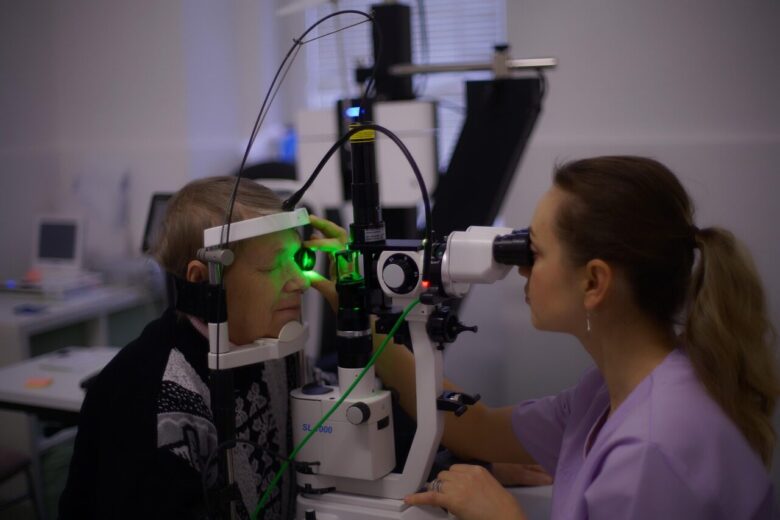
A comprehensive exam may include a review of symptoms and medical history, measurement of visual sharpness and prescription, assessment of focusing and eye alignment, an eye-pressure check, and examination of the front and back of the eyes. The exact tests depend on your age, symptoms, health history, and the clinician’s findings.
Dilation may be recommended to provide a wider view of the retina and optic nerve. Dilating drops can temporarily cause light sensitivity and blurred near vision. Ask the clinic what to expect and whether you may need sunglasses or transportation afterward.
Urgent medical eye evaluation
An urgent visit focuses on a new, painful, sudden, or potentially sight-threatening symptom. When scheduling, clearly describe the symptom instead of asking only for a prescription check. The clinic can advise whether you need an optometrist, an ophthalmologist, an emergency eye service, or an emergency department.
How to Prepare for the Appointment
A few details can make the visit more efficient and reduce the chance that an important pattern is missed.
- Write down when the symptom started and whether it has changed.
- Note whether it affects one eye, both eyes, near vision, distance vision, or a specific part of the visual field.
- Bring your current glasses and prescription sunglasses.
- If you wear contacts, bring the lenses or packaging with the brand and prescription information.
- Bring a list of medications, supplements, medical conditions, eye surgeries, and previous injuries.
- Share any family history of glaucoma, retinal disease, or significant vision loss.
- Mention activities affected by the problem, such as reading, computer work, sports, or night driving.
Questions worth asking before you leave
- Does the finding appear related to my prescription, eye health, or both?
- Were the retina and optic nerve evaluated, and is dilation needed?
- Could my medications, contact lenses, or health conditions be contributing?
- What symptoms should prompt an urgent call?
- When should I return based on my individual risk factors?
The Practical Takeaway
Gradual difficulty seeing far away or up close, recurring visual fatigue, and glasses that no longer work well are good reasons to schedule a comprehensive eye exam. Persistent dryness, redness, glare, or contact lens discomfort also deserves evaluation rather than repeated guesswork.
Sudden symptoms require a different response. Vision loss, a curtain-like shadow, new flashes with many floaters, severe pain, serious injury, or vision changes with neurological symptoms should be treated as urgent. When in doubt, describe the symptom to an eye clinic and ask how quickly you should be seen.
Official References
- CDC — About Common Eye Disorders and Diseases
- CDC — Why Eye Exams Are Important
- CDC — Taking Care of Your Eyes
- National Eye Institute — Get a Dilated Eye Exam
Eyestine Vision Editorial Team publishes consumer-focused guides about eye care, eyewear, eye-exam planning, and vision insurance. Articles are educational and are not a substitute for diagnosis or treatment by a licensed eye-care professional. Unless an article explicitly names a qualified medical reviewer, readers should not assume that it received independent clinical review.