For many people, eye exam timing is not a simple “once a year” rule. A younger adult with no symptoms or health risks may be able to go several years between comprehensive exams, while an older adult, contact lens wearer or person with diabetes may need visits every year or more often.
Age-based guidance is a useful starting point, but your previous exam findings, medical history, family history and new symptoms should determine the final schedule. A prescription that still seems clear does not necessarily show whether the retina, optic nerve, cornea and other eye structures are healthy.
A Practical Eye Exam Schedule
Recommendations vary among professional organizations, so the ranges below should not be treated as rigid deadlines. If an optometrist or ophthalmologist has already given you a return date, follow that personalized plan.
| Situation | Common starting point | Reasons the schedule may change |
|---|---|---|
| Adults under 40 with no symptoms or known risks | Often every few years | Book sooner for vision changes, persistent discomfort, headaches related to visual tasks or a new medical risk. |
| Adults ages 40 to 64 | Often every 1 to 4 years, depending on age and risk | Closer follow-up may be appropriate for glaucoma risk, retinal concerns, health conditions or abnormal exam findings. |
| Adults age 65 and older | Often every 1 to 2 years | Cataracts, glaucoma, macular degeneration and other age-related concerns may require more frequent monitoring. |
| Contact lens wearers | Usually once a year or as directed | Dryness, redness, pain, poor fit, prescription changes or corneal concerns may require an earlier visit. |
| People with diabetes | Regular comprehensive dilated exams, often yearly | The interval may change based on retinal findings and the recommendations of the clinicians managing your diabetes and eye care. |
| People with diagnosed eye disease or previous eye surgery | Use the schedule set by the treating clinician | Follow-up may be needed more often than a routine annual exam. |
| Children | Vision screening at recommended pediatric visits, with a comprehensive exam when indicated | A failed screening, symptoms, abnormal eye alignment or learning-related concerns may justify a full exam sooner. |
A broad range does not mean timing is unimportant. It reflects the fact that a healthy 42-year-old with a normal exam may need a different interval from another 42-year-old with high eye pressure, diabetes or a strong family history of glaucoma.
Use This Decision Order Instead of Relying Only on Age
-
Check for urgent symptoms first. A routine calendar does not apply to sudden vision loss, severe pain, trauma, a curtain-like shadow or new flashes and floaters. These symptoms need prompt professional evaluation.
-
Consider persistent but less sudden changes. Schedule an appointment if blurred vision, glare, light sensitivity, frequent headaches during visual tasks, redness or trouble seeing at night persists or interferes with daily activities.
-
Identify factors that require closer monitoring. Diabetes, high blood pressure, contact lens use, previous eye disease, eye surgery and certain medications can affect the recommended interval.
-
Review your family history. Tell the provider about close relatives with glaucoma, macular degeneration, retinal disease or significant vision loss, even if you do not know the exact diagnosis.
-
Use age-based guidance only after considering the points above. If none of them applies, the general age ranges can help you decide when to arrange a routine exam.
Three Eye Care Dates That Are Easy to Confuse
The date for your next comprehensive exam is not always the same as the expiration date on a prescription or the date of a medical follow-up.
Routine comprehensive exam
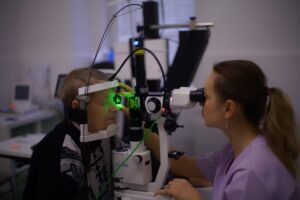
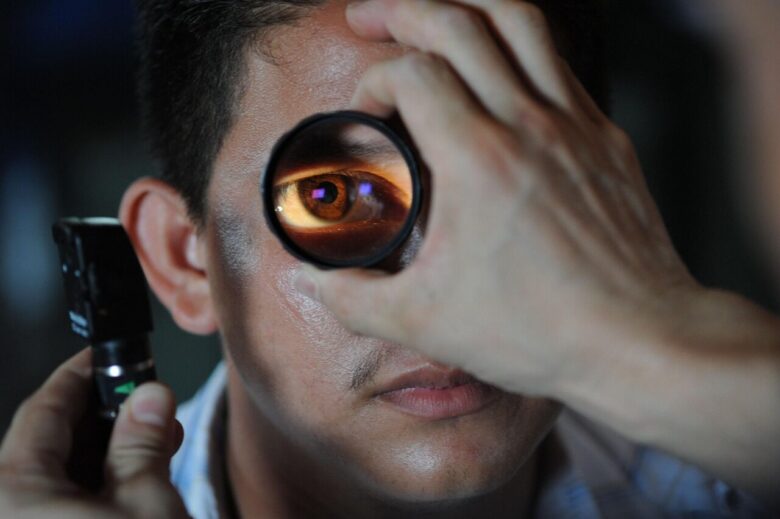
This appointment evaluates vision and eye health. It may include visual acuity, refraction, eye movement and alignment tests, eye pressure measurement, examination of the front of the eye and evaluation of the retina and optic nerve. Dilation may be included when appropriate.
Glasses or contact lens prescription renewal
A prescription check determines whether corrective lens power needs to change. Contact lens visits may also assess lens fit, movement, comfort and the condition of the eye’s surface. A contact lens evaluation can involve tests that are not part of a glasses-only prescription check.
Medical follow-up
If an exam identifies high eye pressure, retinal changes, an infection or another concern, the provider may request a separate follow-up. That date should not be replaced by a later routine exam reminder.
Vision Screening vs Comprehensive Eye Exam
A screening is designed to identify people who may need further evaluation. It can be helpful in schools, pediatric offices, workplaces and community settings, but passing one does not establish that every part of the eye is healthy.
| Type of visit | What it can help assess | Important limitation |
|---|---|---|
| Vision screening | Obvious difficulty seeing at a tested distance and selected vision concerns | It is not a full evaluation of eye health and may miss less obvious problems. |
| Prescription check | The corrective power needed for glasses or contact lenses | It may not include all parts of a comprehensive medical eye evaluation. |
| Comprehensive eye exam | Vision, focusing, alignment and multiple aspects of eye health | Additional imaging, testing or specialist care may still be needed when a concern is found. |
When booking, ask whether the appointment is a comprehensive eye exam, a prescription-only check or a contact lens evaluation. The terms used by offices can differ.
Who May Need Exams More Often?
Do not automatically assume that every risk factor means annual exams. Instead, tell the provider about the factor and ask how it changes your schedule. Closer monitoring may be appropriate if:
- You have diabetes, high blood pressure or another medical condition that may affect the eyes.
- You wear contact lenses.
- You have glaucoma, retinal disease, cataracts or another diagnosed eye condition.
- You have had eye surgery or a significant eye injury.
- A close family member has glaucoma, macular degeneration or retinal disease.
- You take medication that your prescriber says requires eye monitoring.
- Your prescription changes quickly or your vision fluctuates.
- A previous exam found high eye pressure, optic nerve changes or another issue requiring follow-up.
Why diabetes deserves particular attention
Diabetes can affect blood vessels in the retina before a person notices a change in vision. A dilated exam gives the clinician a clearer view of the retina and optic nerve. Many people with diabetes are advised to have this type of exam regularly, often each year, but the appropriate timing should be confirmed with the clinicians managing their care.
Why contact lens wearers usually return yearly
Seeing clearly through contact lenses does not prove that the lenses still fit safely. Regular visits allow the provider to examine the cornea and eye surface, review cleaning and replacement habits, and determine whether the lens material, fit and prescription remain appropriate.
Remove contact lenses and contact an eye care professional promptly if you develop eye pain, marked redness, light sensitivity, discharge or worsening vision. Do not wait for a routine renewal appointment.
Children: When a Screening Is Not Enough
Children may not recognize or clearly describe a vision problem. Pediatric and school screenings are useful, but a comprehensive exam may be needed after a failed screening or when parents, teachers or clinicians notice a concern.
Ask about a full eye exam if a child:
- Squints, closes one eye or sits unusually close to screens or reading material.
- Complains of recurring headaches or eye discomfort during visual tasks.
- Has an eye that appears to turn in or out.
- Avoids reading or repeatedly loses their place while reading.
- Reports persistent blur or double vision.
- Has been referred after a pediatric or school vision screening.
These signs do not establish the cause. A pediatrician or eye care provider can determine whether testing is appropriate and recommend the next interval.
When to Seek Care Before Your Next Scheduled Exam
Some concerns can be handled through the next available office appointment, while others need urgent evaluation. When in doubt—especially with a sudden change—contact an eye care office, urgent care service or emergency department for direction.
Seek urgent evaluation
- Sudden loss or major reduction of vision in one or both eyes.
- A curtain, veil or dark shadow moving across the field of vision.
- New flashes of light with a sudden increase in floaters.
- Severe eye pain, particularly with nausea, halos or a severe headache.
- Sudden double vision.
- A chemical exposure, puncture, cut, burn or forceful impact to the eye.
Arrange a prompt appointment
- Persistent or worsening blur.
- Increasing difficulty reading, driving or seeing at night.
- Recurring headaches associated with close work or screen use.
- Ongoing redness, discharge, swelling or light sensitivity.
- A noticeable prescription change over a short period.
How to Make the Appointment More Useful
Bring information that helps the provider compare your current vision and eye health with your history:
- Your current glasses and prescription sunglasses.
- Your contact lenses, lens packaging or exact brand and power information.
- A list of prescription drugs, over-the-counter medicines and supplements.
- Relevant medical diagnoses and previous eye surgeries or injuries.
- Available records from a previous optometrist or ophthalmologist.
- Notes about symptoms, including when they began and whether they affect one eye or both.
- Family eye history, including which relative had the condition.
If dilation may be performed, ask what to expect afterward. Dilating drops can temporarily cause light sensitivity and blurred near vision. Bring sunglasses and ask the office whether your individual circumstances could affect driving or other activities after the visit.
Questions to Ask Before You Leave
A specific follow-up plan is more helpful than a general instruction to “come back regularly.” Consider asking:
- Was today’s visit a comprehensive eye health exam or mainly a prescription check?
- Were my eye pressure, retina and optic nerve evaluated?
- Do I need dilation at this visit or at a future visit?
- Based on my findings and risk factors, when should I return?
- Why is that interval appropriate for me?
- Which symptoms should make me contact the office sooner?
- If I wear contacts, when is my next contact lens fit and corneal health check?
Choosing an Optometrist or Ophthalmologist
Optometrists provide comprehensive exams, prescribe glasses and contact lenses, and diagnose and manage many eye conditions. Ophthalmologists are medical doctors who provide medical and surgical eye care, including treatment of complex eye disease.
Either may be appropriate for routine care, depending on your needs and the services available. An ophthalmologist or subspecialist may be recommended for surgery, significant eye injuries, retinal disease, glaucoma or other complex medical concerns. If you are unsure, describe the reason for your visit when scheduling so the office can direct you appropriately.
Frequently Asked Questions
Does every adult need an eye exam each year?
No. Annual exams are common for contact lens wearers and people with certain health conditions, eye diseases or abnormal findings. Younger adults with no symptoms and low risk may be advised to return every few years. Adults 65 and older are often examined every one to two years. Your provider’s recommendation should take priority over a general range.
Can I skip an exam if my glasses still work?
A stable prescription is reassuring, but it does not evaluate eye health. Some conditions can develop without causing early blur or an obvious change in central vision. Whether you can safely wait depends on your age, risk factors and previous exam findings.
Is an online vision test a substitute for an eye exam?
No. An online test may provide limited information about visual acuity or prescription power, but it cannot fully examine the cornea, retina, optic nerve or other structures. It should not replace professional evaluation when you have symptoms, medical risks or a history of eye disease.
Is dilation required at every comprehensive exam?
Not necessarily. The decision depends on your symptoms, age, health history, eye disease risk and prior findings. Dilation is particularly useful when the clinician needs a clearer view of the retina, optic nerve and blood vessels inside the eye. Ask what the provider recommends for your situation.
Bottom line: use age-based intervals as a starting point, not an automatic rule. New symptoms override a routine schedule, and known risks or previous findings may require closer follow-up. Before leaving an exam, confirm the exact month or year you should return and what should prompt an earlier visit.
Sources and Further Reading
- American Academy of Ophthalmology — Eye Exam and Vision Testing Basics
- American Optometric Association — Comprehensive Eye Exams
- National Eye Institute — Get a Dilated Eye Exam
- Centers for Disease Control and Prevention — Vision Loss and Diabetes
- MedlinePlus — Standard Eye Exam

Eyestine Vision Editorial Team publishes consumer-focused guides about eye care, eyewear, eye-exam planning, and vision insurance. Articles are educational and are not a substitute for diagnosis or treatment by a licensed eye-care professional. Unless an article explicitly names a qualified medical reviewer, readers should not assume that it received independent clinical review.