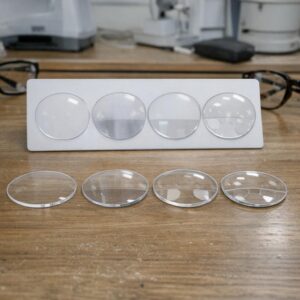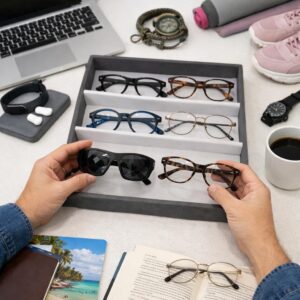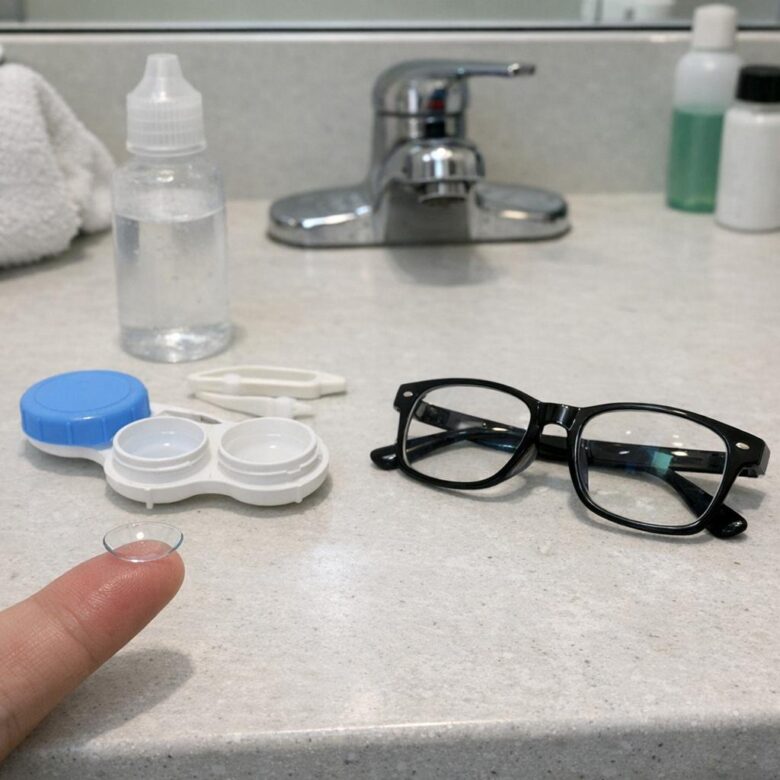
What if the “better” choice for your eyes has less to do with vision-and more to do with how you live every day?
Contact lenses and glasses can both correct your sight effectively, but they affect comfort, convenience, appearance, eye health, and daily routines in very different ways.
Glasses are simple, low-maintenance, and protective, while contact lenses offer a wider field of vision and more freedom for sports, travel, and active lifestyles.
This guide breaks down the real pros and cons of contact lenses vs glasses so you can choose the option that fits your eyes, habits, and long-term comfort best.
Contact Lenses vs Glasses: Key Differences in Comfort, Vision Quality, and Eye Health
Comfort depends heavily on your routine, prescription, and eye sensitivity. Glasses are usually easier for long screen sessions because they do not touch the eye, while contact lenses can feel more natural for sports, driving, and active workdays. If you often deal with dry eyes, allergies, or air-conditioned offices, daily disposable contact lenses may feel cleaner than monthly lenses, but glasses are still the lower-maintenance option.
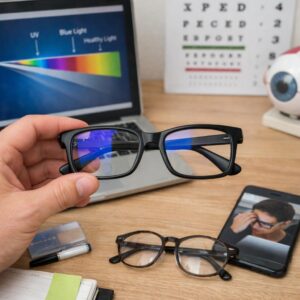
Vision quality is another major difference. Contact lenses move with your eyes, giving a wider field of view without frame edges, glare, or lens distortion, which is helpful for runners, cyclists, and people with higher prescriptions. Glasses, however, are simple to remove when your eyes feel tired and can include premium lens coatings such as blue light protection, anti-reflective coating, and photochromic lenses.
- Best for convenience: glasses, especially if you want minimal cleaning and lower daily risk.
- Best for active lifestyles: contact lenses, particularly daily disposables or toric lenses for astigmatism.
- Best for eye health monitoring: regular eye exams through providers like LensCrafters or a local optometrist.
From a real-world perspective, someone working eight hours on a laptop may prefer prescription glasses during the day and contacts for evening workouts. Eye health should guide the final choice: sleeping in contacts, overwearing lenses, or skipping contact lens solution can raise the risk of irritation and infection. The safest approach is often having both-glasses as your reliable backup and contacts for situations where freedom of movement matters.
How to Choose Between Contacts and Glasses for Work, Exercise, Driving, and Daily Routines
The best choice often depends less on eyesight and more on how your day actually runs. If you work long hours on a computer, glasses with anti-reflective coating, blue light filtering, or prescription computer lenses may feel more comfortable than contacts, especially in air-conditioned offices where eyes dry out faster.
For active jobs, gym sessions, or outdoor sports, contact lenses usually offer better peripheral vision and no frame slipping. A real-world example: someone who cycles to work may prefer daily disposable contact lenses for the commute, then switch to glasses at the office to reduce dryness and contact lens wear time.
- Work: Choose glasses if you need screen comfort, eye protection, or prescription safety glasses.
- Exercise: Choose contacts if you need stable vision, full side vision, or compatibility with helmets and sunglasses.
- Driving: Use the option that gives the sharpest night vision and least glare; anti-glare prescription glasses can help if headlights bother you.
Cost also matters. Contacts may require lens solution, replacement packs, and more frequent eye exams, while glasses can have higher upfront costs for premium lenses, designer frames, or progressive lenses but last longer with proper care.
A practical approach is to compare your prescription, lifestyle, and budget using tools from retailers like Warby Parker or your eye clinic’s contact lens fitting service. Many people get the best daily use from having both: contacts for movement-heavy days and glasses for screen time, evenings, and backup vision care.
Common Mistakes That Make Contact Lenses or Glasses Less Safe, Comfortable, or Cost-Effective
One of the biggest mistakes is choosing contact lenses or prescription glasses based only on the lowest upfront price. Cheap frames may bend quickly, while poorly fitted lenses can cause eye strain, headaches, or dry eyes, leading to extra eye care appointments and replacement costs later.
With contact lenses, the most common problem is stretching wear time to “save money.” For example, wearing daily disposable contact lenses for two days may seem harmless, but it increases the risk of irritation, protein buildup, and eye infection. If you use reusable lenses, a quality contact lens solution and a clean storage case are not optional extras.
- Sleeping in lenses unless your optometrist specifically approved extended-wear contacts
- Rinsing lenses with tap water instead of sterile contact lens solution
- Ignoring blurry vision, redness, or discomfort because the lenses “still work”
Glasses users often make a different mistake: skipping lens upgrades that match their lifestyle. If you drive at night, work on a laptop all day, or spend time outdoors, options like anti-reflective coating, blue light filtering lenses, or prescription sunglasses can improve comfort and reduce the need for multiple cheap replacements.
A practical tip is to compare total annual cost, not just the checkout price. Platforms like Warby Parker or your local optical clinic can help you compare frame durability, lens coatings, eye exam cost, insurance benefits, and replacement policies. The safest and most cost-effective choice is usually the one that fits your daily routine, not just your prescription.
Expert Verdict on Contact Lenses vs Glasses: Which Option Is Better for Daily Use?
The better choice for daily use is the one that fits your lifestyle, comfort, and eye health needs. Glasses are often simpler, lower-maintenance, and ideal for long screen days, while contact lenses offer wider vision and greater freedom for sports or active routines.
For many people, the smartest approach is not choosing one permanently, but using both strategically:
- Choose glasses when comfort, convenience, or eye irritation is a priority.
- Choose contact lenses when movement, appearance, or unobstructed vision matters more.
Always follow your eye care professional’s advice before making daily wear a habit.